WILDLIFE SURVEYS AND MONITORING
Surveys and Monitoring
The Town of Kiawah Island conducts a variety of wildlife surveys in an effort to estimate population size and abundance of many wildlife
species. Surveys also allow biologists to look at population trends over time to better understand how our native wildlife species
are adapting to changes on Kiawah Island. For more information on these surveys, click on the links below.
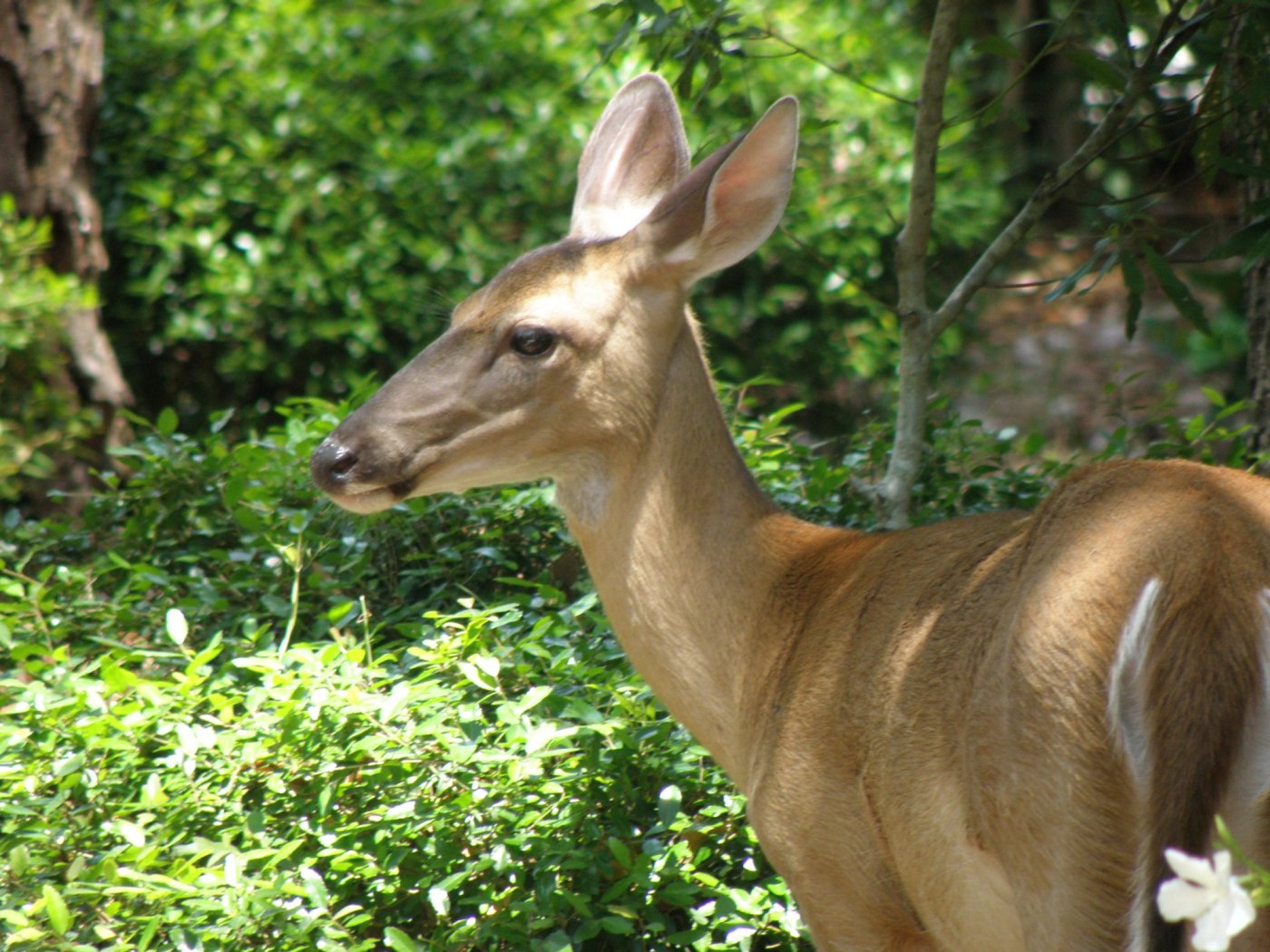
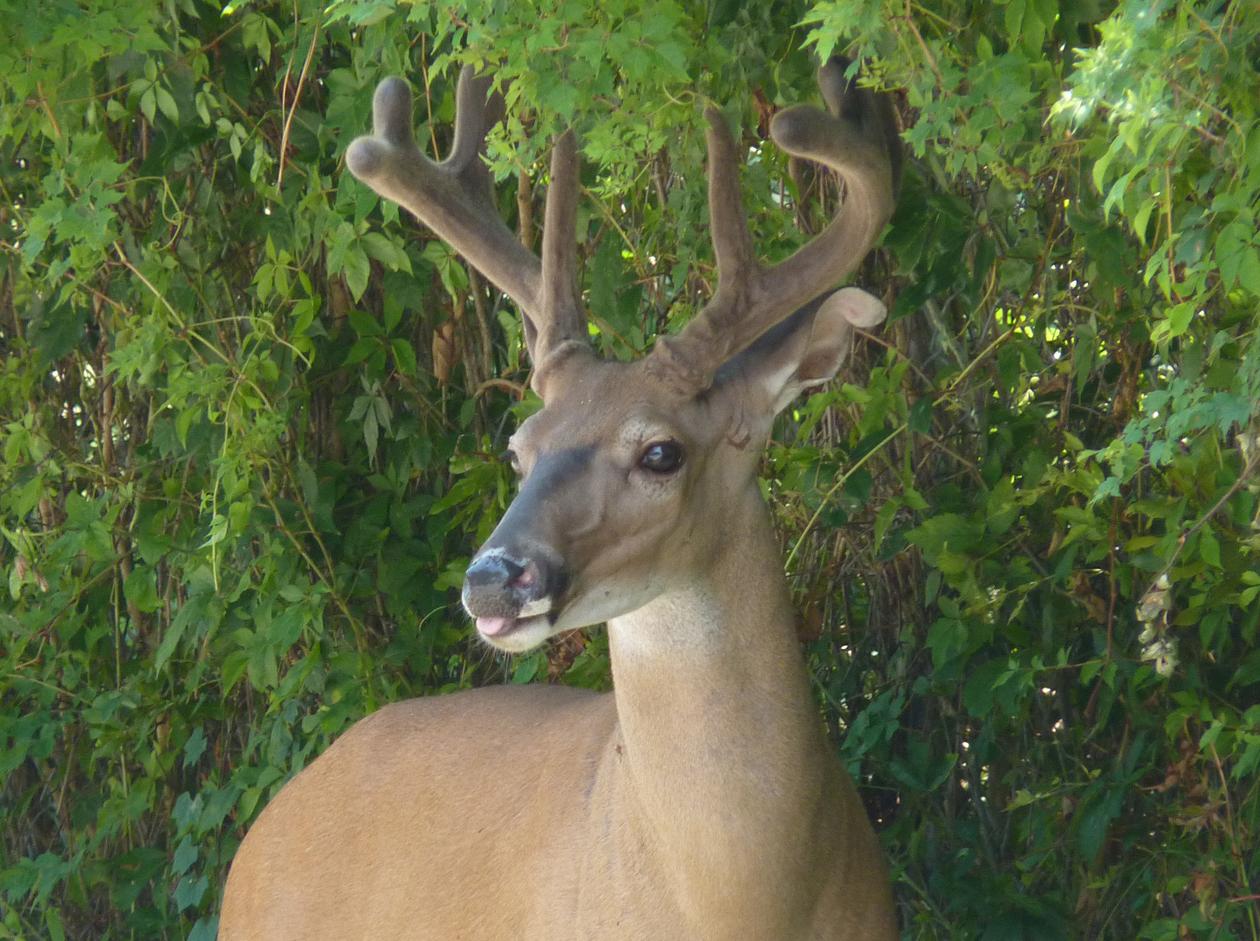
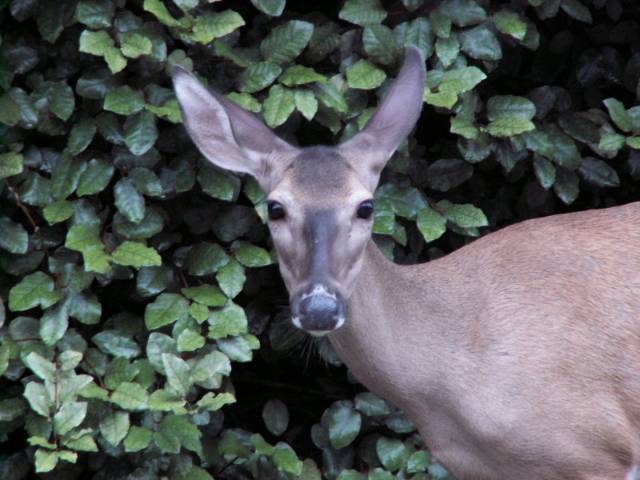
White-tailed Deer -
Spotlight surveys have been conducted for deer since 1997. Surveys are currently conducted for 3 consecutive
nights during September and December/January. The survey route is 18.2 miles long and covers most of Kiawah Island. In
order to calculate the density of deer on the island, biologists periodically conduct visibility estimates along the route.
By estimating the survey width using the estimates, it is possible to calculate the number of acres surveyed which is used to estimate
deer density in deer per square mile. View results from September 2009, January 2010, September 2010, January 2011, September
2011, and January 2012 surveys. View deer page including historic spotlight data.
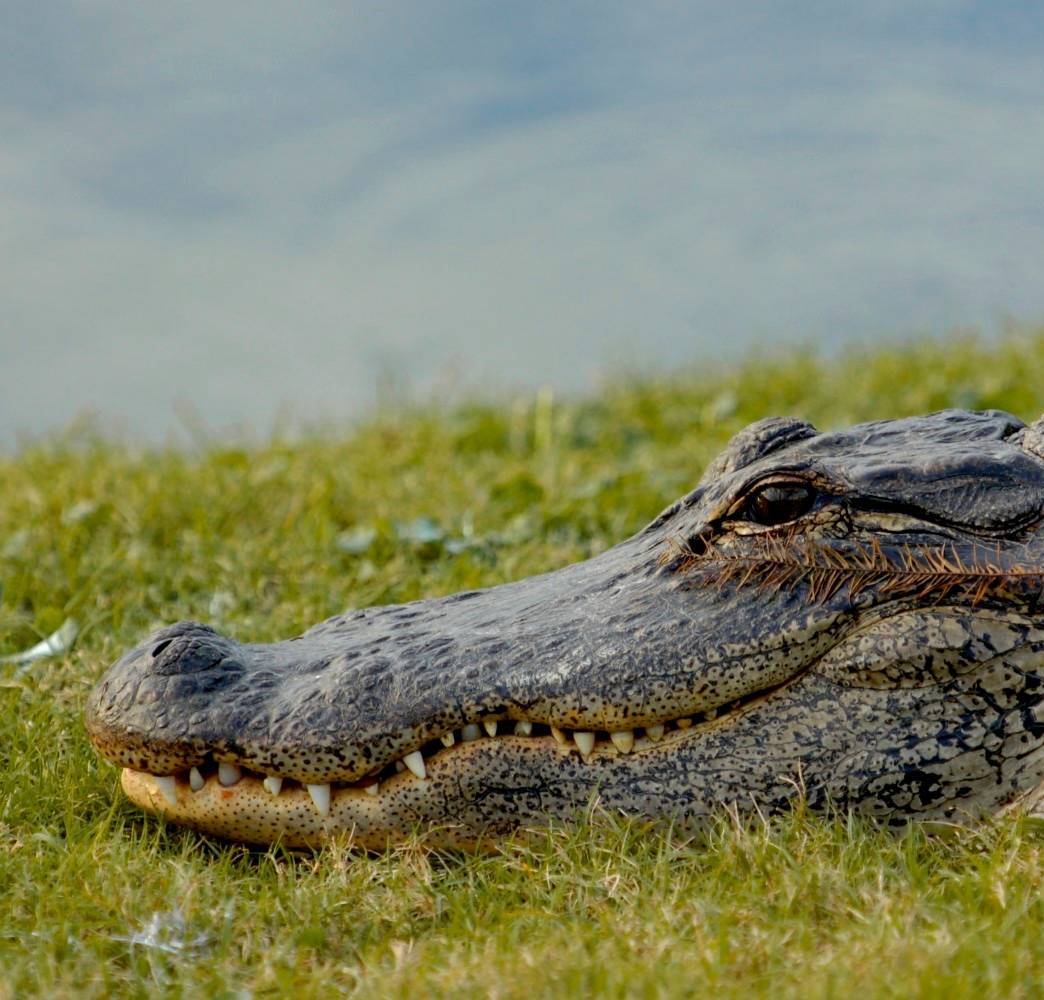
American alligators -
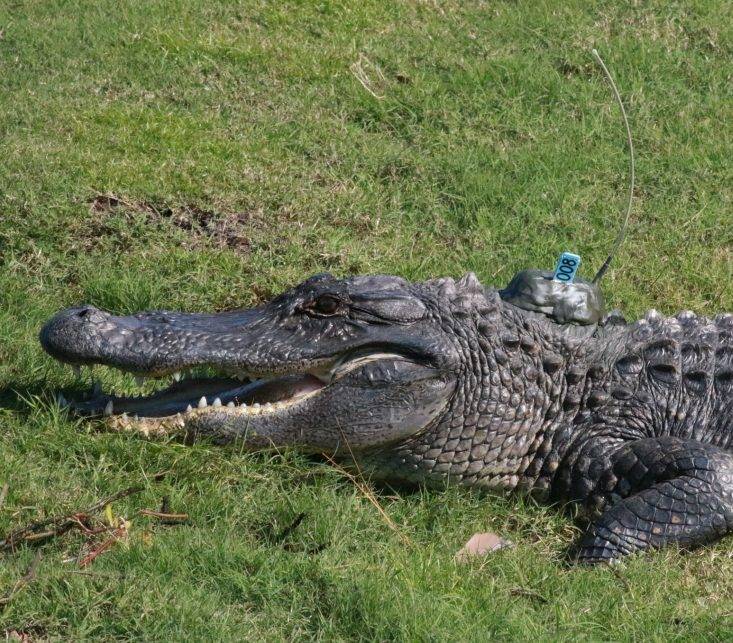
Alligator
surveys are conducted annually during July or August for 2 consecutive nights. The survey route covers most of the
ponds on the island. The total number of alligators are recorded along with an estimate of their length. View alligator page
including survey results.
Wilson's Plovers -
An annual Wilson's Plover survey was initiated in 2009 in conjuction with SCDNR.
The first survey took place on May 12, 2009. A total of 52 Wilson's plovers were observed during this survey of the entire
Kiawah Island beachfront. View the 2009 report, including maps and location information. The 2010 survey was
conducted on May 17, 2010 and a total of 70 birds were seen. View the 2010 report.
Piping
Plovers -
Piping plovers are a Federally threatened species and utilize the beachfront habitat on Kiawah Island extensively from
July to May each year. Plovers are surveyed twice every 10 days (once at low tide, once at high tide) from August 1 - October
31, twice every month from November 1 - February 28, and twice every 10 days from March 1 - April 15. Detailed records are kept
on number of birds seen, their GPS locations, presence of bands, habitat use, and behavior. View additional information, including
an interactive map of plover locations.
Least Terns -
Least terns are a state threatend species that currently
nest on the east end of Kiawah Island. Historically, least terns nested on dry beach areas throughout the state but are currently
only found nesting in a handful of locations in South Carolina, one of which is Kiawah Island. Terns nest from May-July
and the nesting area is clearly marked with signs prohibiting access. An annual nest count has been conducted since they began
nesting in 2006. In 2010, least terns initiated nesting on the western end of Kiawah for the first time in more than 15 years. View
additional information on beach nesting birds.
Red Knots -
Red knots have become a species of special concern in recent
years as their numbers have dropped significantly. A variety of researchers have placed unique alphnumeric flags on these birds
to gather more information on migration patterns and survival. Town Biologists conduct periodic surveys for red knots on the
island and report flag combinations to aid in this research. As of May 26, 2010, biologists have logged 252 flagged
red knot resightings. Biologists also assisted SCDNR in capturing 59 red knots on May 7, 2010 with a cannon net. View cannon net capture video. View flagged red knot sighting map. View video of foraging red knots.
Breeding Bird
Survey - An annual Breeding Bird Survey has been conducted since 1998 consisting of 50 stops during which all birds seen
or heard during a 3-minute period are recorded. Data from this survey is submitted to USGS and is used to monitor trends
and changes in bird populations. Click here for additional information and to view survey results.
Marsh birds -Marsh bird populations were monitored during 2010 using a standardized protocol developed by USGS for the National
Marsh Bird Monitoring Program that incorporates a call-broadcast survey methodology. Marsh birds were monitored at 20 unique
points consisting of 2, 10-point routes. Each route was repeated 3 times during the breeding season when marsh birds are most
vocal. The surveys started 30 minutes before sunrise and ended 2-3 hours later or prior to the time when marsh birds cease
calling. At each point, a recorded CD with marsh bird calls was played through a portable CD player with amplified speakers. The CD included 30 seconds of calls of each focal marsh bird species (black rail, least bittern, clapper rail, king rail, common
moorhen, and pied-billed grebe) that are expected breeders on Kiawah Island interspersed with 30 seconds of silence between each species’
calls. Data recorded at each point will include species, type of call given, and estimated distance to individual. This
survey was discontinued after 2010. Visit our Marsh bird survey page for more information.
Nightjars -
Kiawah Island
is home to 2 species of nightjars during the breeding season; the Chuck-wills-widow and Common Nighthawk. A third species,
the Whip-poor-will, may pass through the island during spring and fall migration. The Town of Kiawah Island began participating
in the United States Nightjar Survey Network in 2009. The survey consists of driving and stopping at 10 points along a predetermined
9 mile route. At each point, the observer counts all nightjars seen or heard during a 6 minute period. View additional
information and survey results.
Town of Kiawah Island
21 Beachwalker Drive
Kiawah Island, SC 29455
(843) 768-9166
News and Information