Use native plants in landscaping whenever possible - The use of native plant materials that flourish in the maritime forest environment
on Kiawah or the few non-native plants that have been introduced successfully provide a low-maintenance approach to a lush and complementary
landscape. Native plants tend to make a property look as though it is truly a part of the Island. They will contribute
to the health of the environment by providing food and cover for wildlife, and once established, can be maintained by normal rainfall.
Native plants have evolved over centuries to thrive in the Kiawah environment. When we use plants native to the Island, we take full
advantage of the evolutionary process of natural selection. Non-native plants that are used and grown elsewhere will generally not
flourish on Kiawah. With a few exceptions, maintaining them will require constant attention through fertilizing, watering, and pest
control. They will be of less value to island wildlife and the existing environment will have to be altered for them to survive.
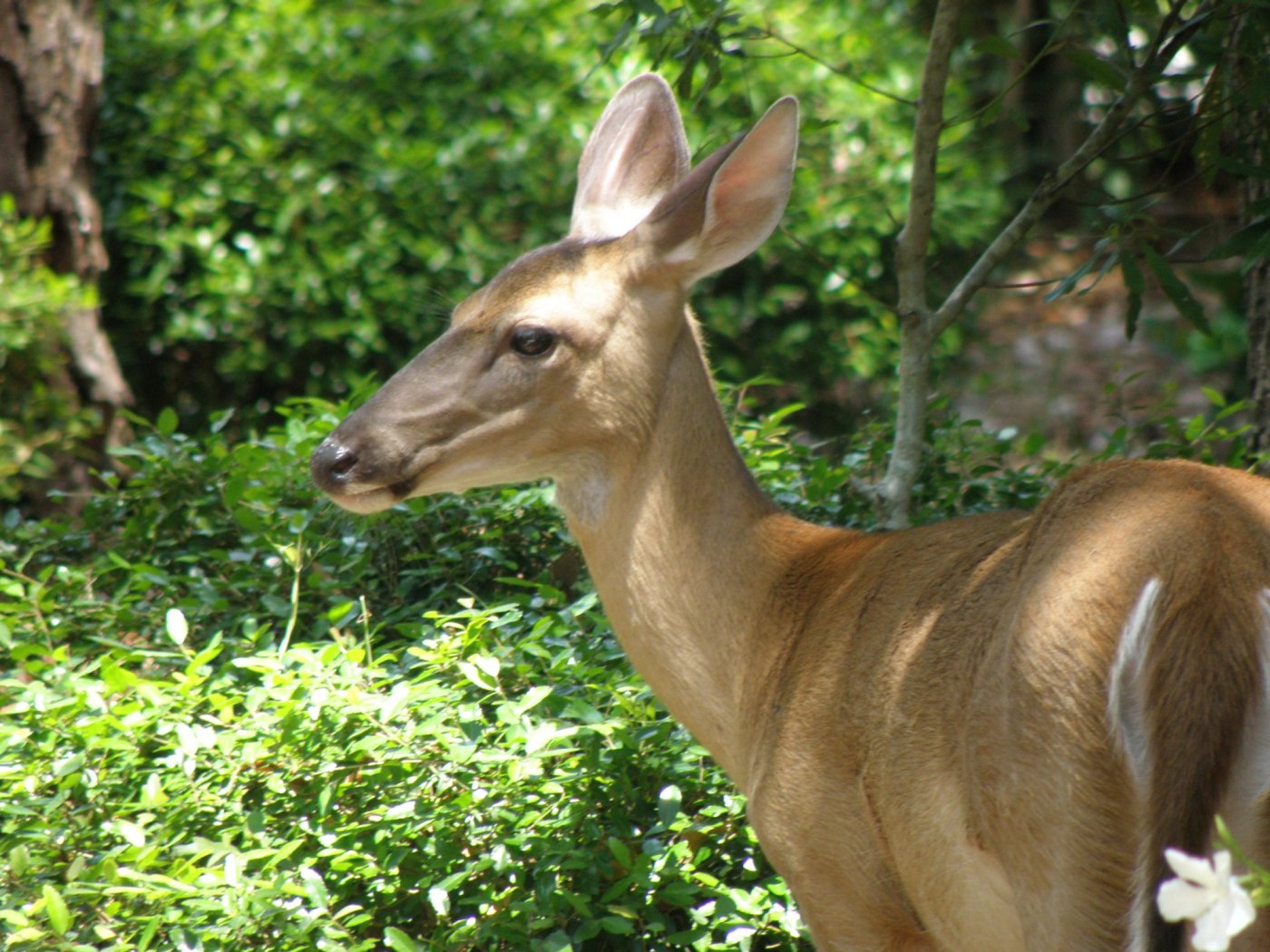
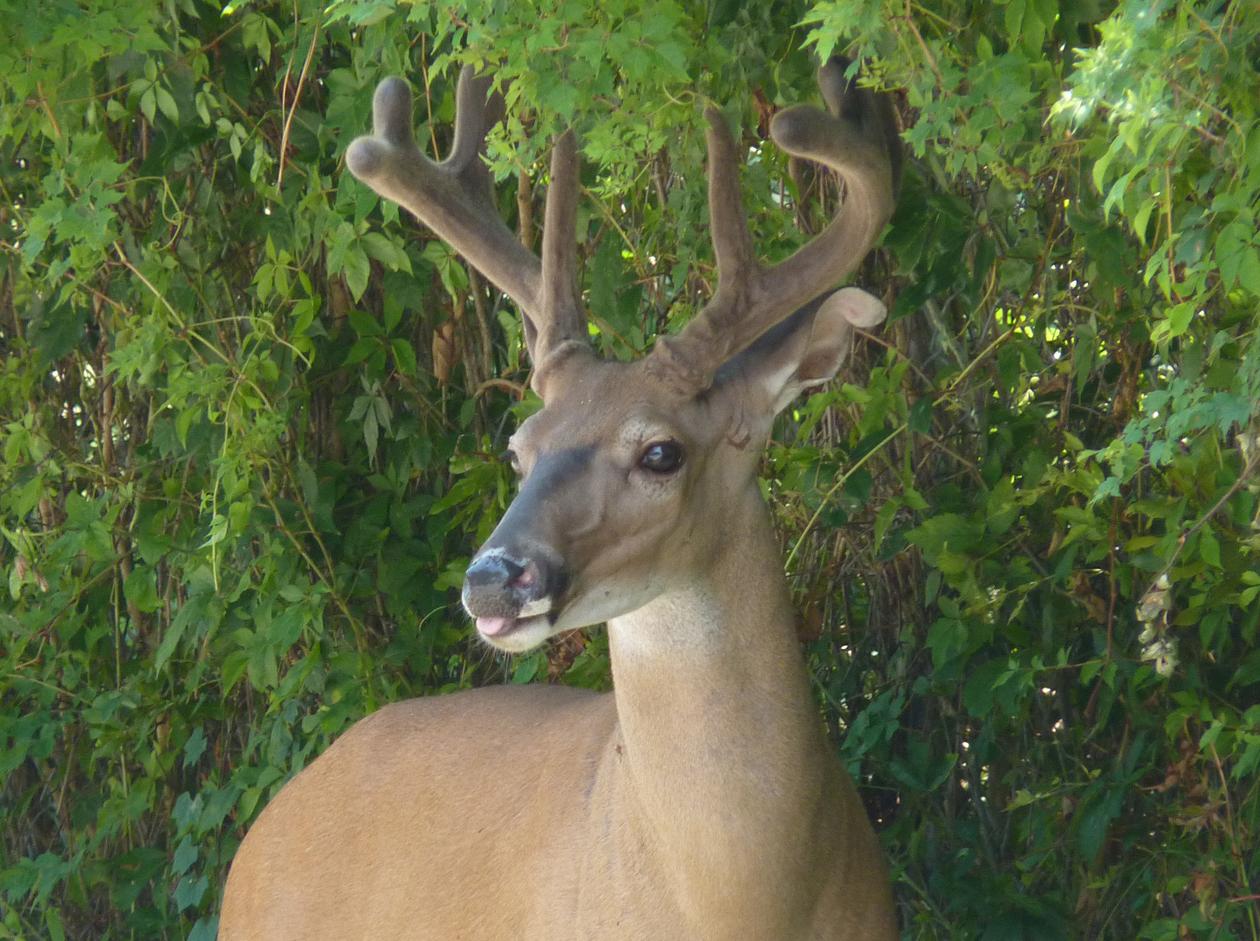
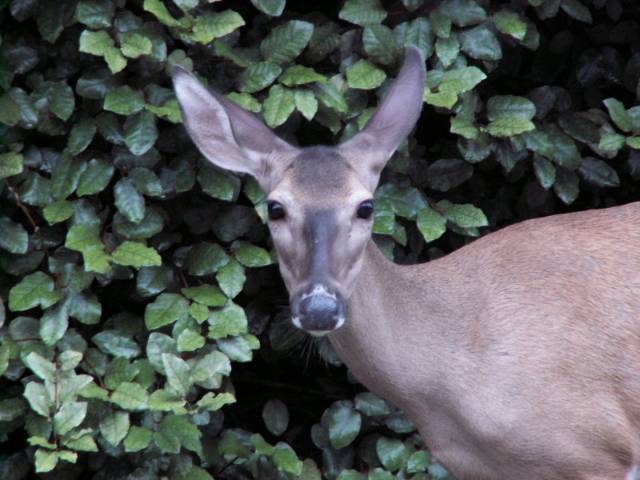
They also are typically much more susceptible to destruction by the native deer population on the Island.
Eliminate invasive
exotic plant species from your property - Exotic plants are often more expensive to maintain then the native varieties,
largely from chemicals to keep them healthy and water requirements. These plants also can escape into our native landscapes and outcompete
more valuable native plants. Plants to avoid: Chinese tallow tree, Silverthorn, Russian Olive, Phragmites, Chinaberry,
Japanese Privet, Kudzu, Chinese Wysteria, Mimosa, and Beach vitex.
Minimize use of pine straw, mulch, sod, and herbicides.
Install drip irrigation - Replace pine straw when possible with native groundcovers or shrubs. Pine straw,
mulch, and sod provide little habitat value and are expensive to maintain. Pine straw is an annual expense and can be costly
to install especially in large areas. There is also the additional expense of using herbicides to keep weeds out of the area.
The use of native plants in these areas will require an initial investment (plant cost and water to establish them). In the
long run though, the need for annual pine straw will be eliminated, less chemicals will be required, and eventually any supplemental
irrigation can be turned off. The aesthetic and wildlife value difference between large areas of pine straw and a well-planted
native area is night and day. Switching to native plants and drip irrigation can have significant financial benefits in addition
to aesthetic and wildlife value. It costs much less to maintain native plants than turf anddrip irrigation is less expensive
and conserves water much better then sprinkler systems. Overall, native plants are less expensive to maintain then exotic species.
In addition, chemicals used in landscape operations programs are expensive to use and can have a cumulative negative effect on the
landscape.
Apply for a Kiawah Conservancy Sweetgrass Award - The Kiawah Conservancy, in partnership with theTown of Kiawah Island and Kiawah Island Community Association, offers free habitat evaluations for Kiawah homeowners. This evaluation
may qualify you for a Conservancy Sweetgrass Award. Visit the Sweetgrass Award website for additional details and information
on how you can participate in this valuable program.