Life history
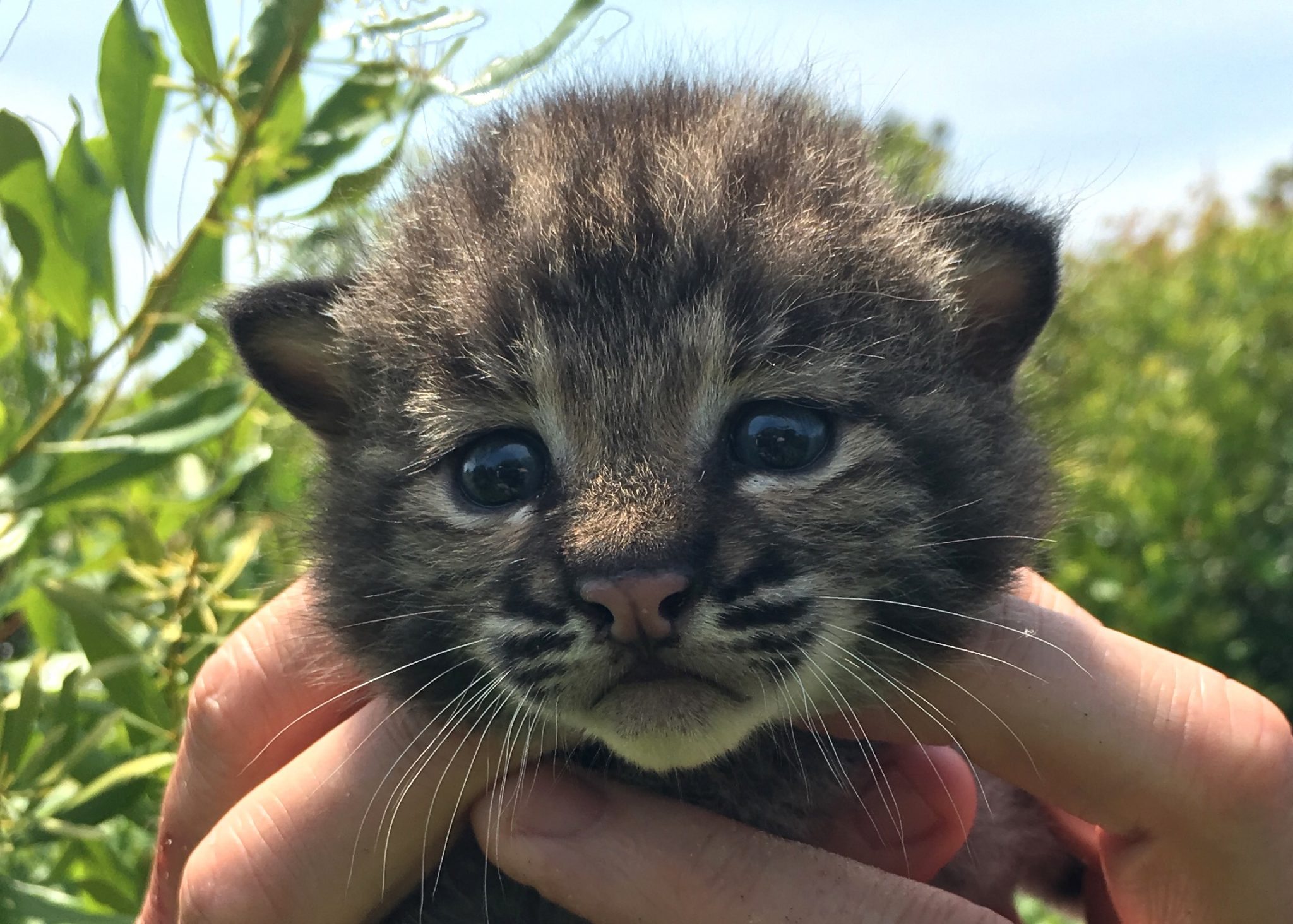
The breeding season for bobcats is February through April and kittens are born 62 days later (the same gestation period
as the domestic cat). The den is typically located under a brush pile, in a hollow tree stump, or in a thicket of saw palmetto. Kittens
are born blind and remain so for 10 days. They are totally dependent on the mother’s milk for four weeks, after which the female will
begin to bring rodents and birds back to the den for them. The female will also teach the kittens how to hunt and kill. When the kittens
are 6-8 weeks old, they will typically leave the den but remain with the female for up to a year.
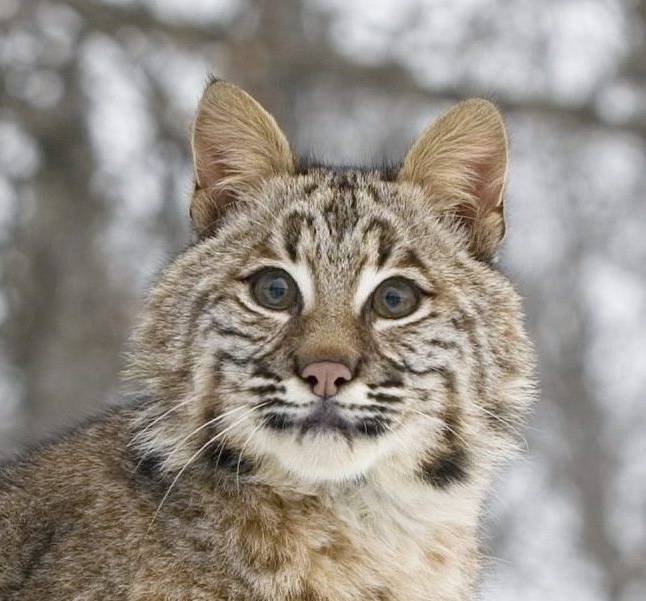
Bobcats are very opportunistic hunters
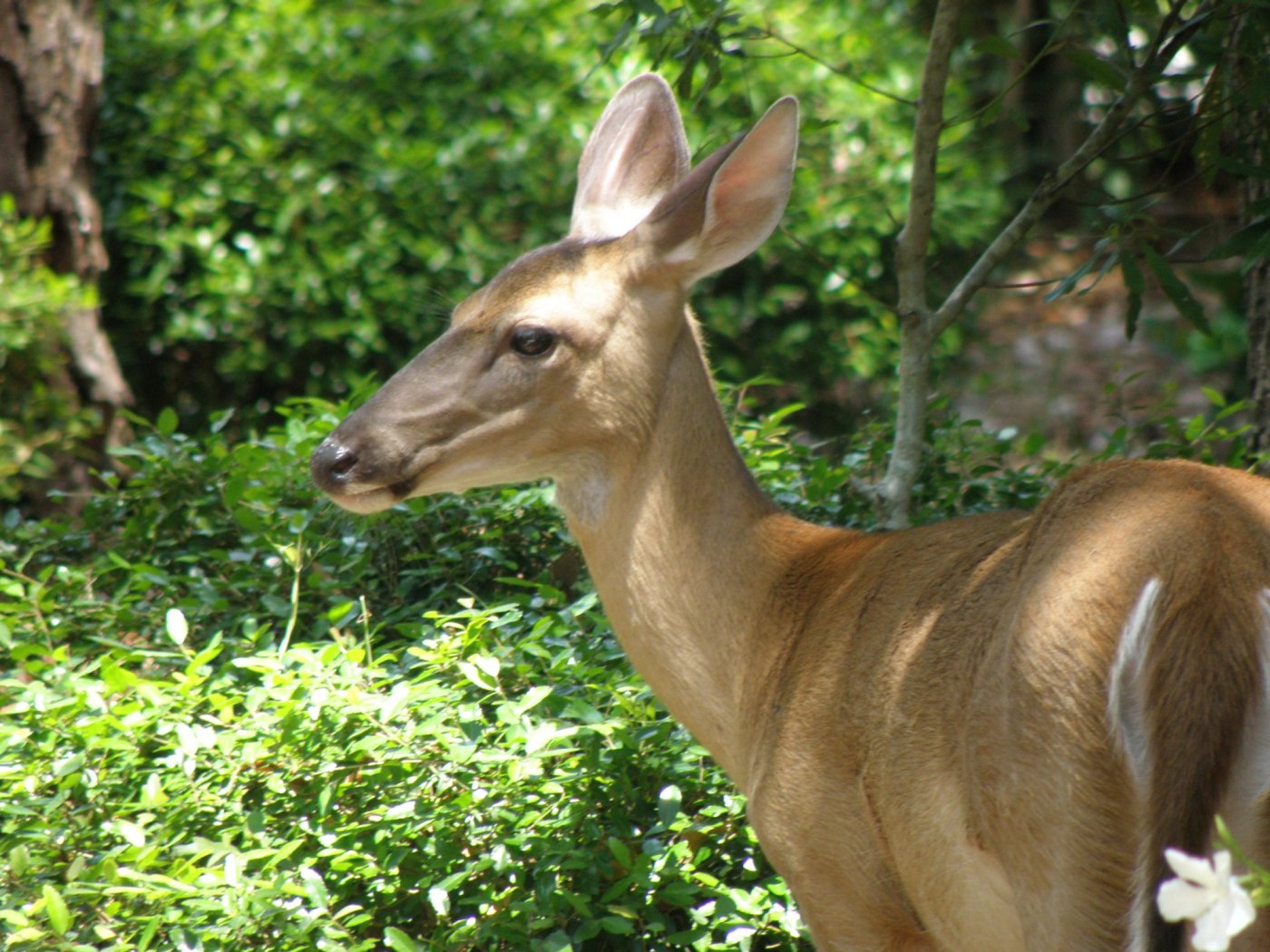
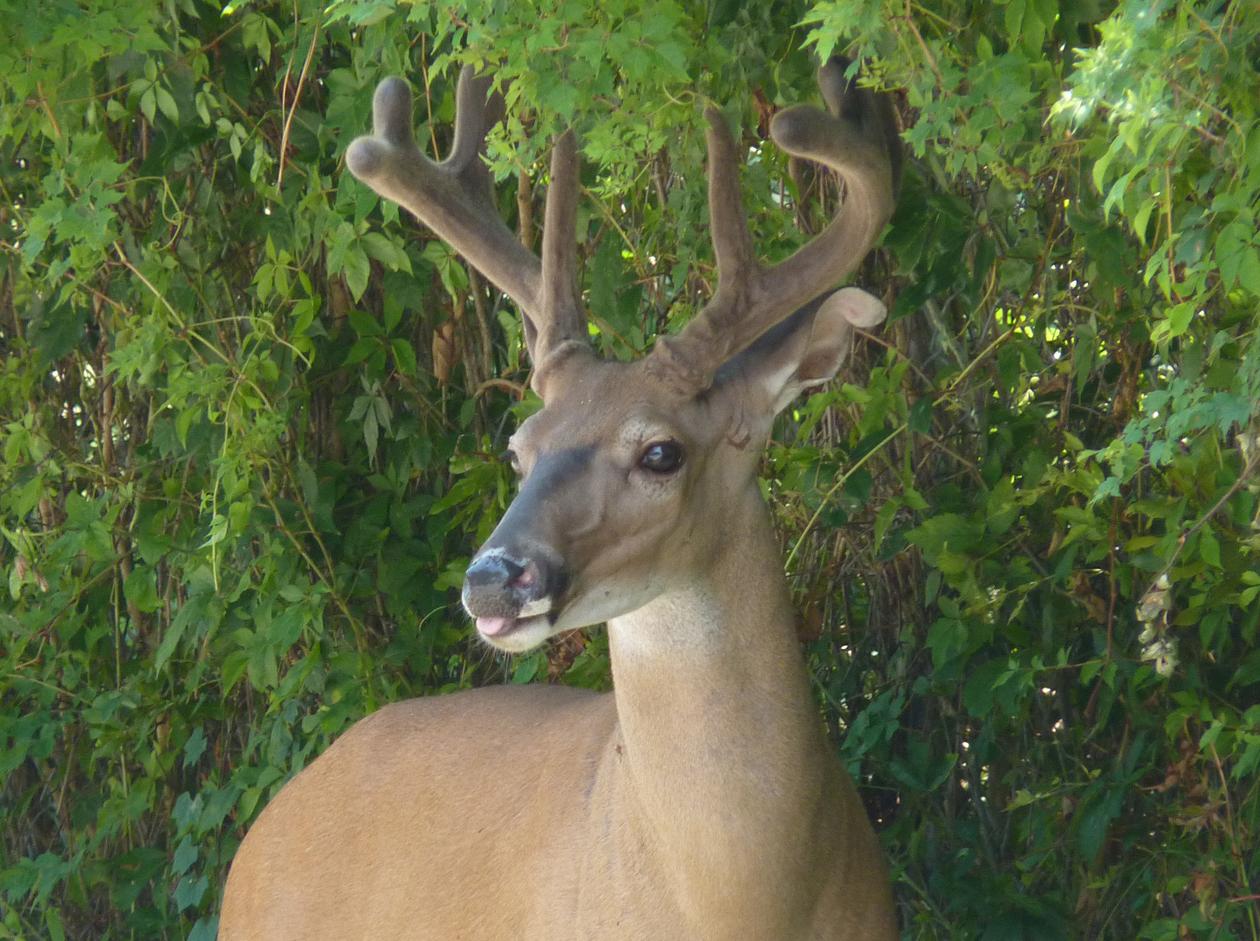
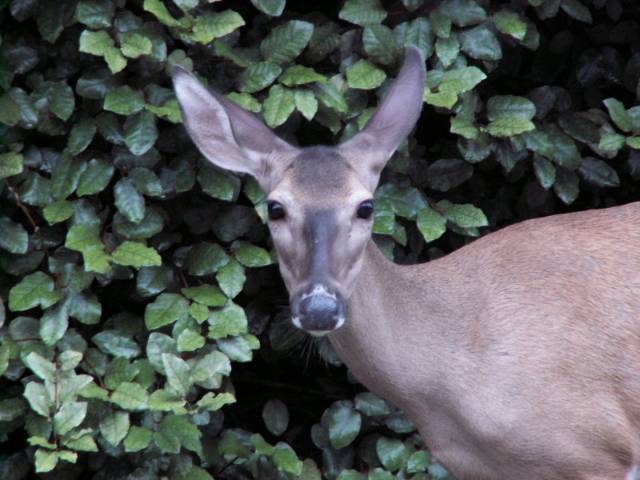
and will eat a variety of animals, including rabbits, rodents, raccoons, birds, deer (primarily fawns during the summer), and even
reptiles and amphibians. Often bobcats stalk their prey, sneaking in as close as possible before jumping to capture it. At other times,
the bobcat will merely hide in an area where prey is abundant and wait for something to come along.
Bobcats are at the top of the food
chain on Kiawah and have very few natural enemies. Automobiles and disease are the greatest threats to bobcats, though disease is
quite rare.
Bobcats will live in close proximity to humans when suitable habitat is available, typically living on the fringes of development.
Due to their normally secretive nature, bobcats are rarely seen.
Kiawah's bobcat population is very unique. First, there are 30-35
bobcats on Kiawah, which is more than double the typical density in mainland South Carolina. Also, Kiawah's bobcats truly live in
and amongst the people and development on Kiawah. They can be found along every single road and lot on the island at one time or another.
The reason for this is that there is still ample food and cover available on Kiawah for bobcats. Current research focuses on identifying
and preserving as much of their critical habitats as possible.
Bobcat Research Summary
In collaboration with the University of Georgia
School of Forest Resources, the Town of Kiawah Island funded a it's first detailed study of bobcat ecology in 2000-2001. The project
was titled simply, The Bobcat Ecology Study. Fourteen bobcats were fitted with radio-collars, allowing researchers to track their
movements. Data gathered from this project provided useful information on bobcat habitat use, reproductive success, home range size,
food habits, and response to development.
The Bobcat Ecology Study showed that Kiawah had a healthy, stable population of bobcats.
The data also indicated that bobcats inhabiting the more-developed west end of Kiawah had larger home ranges than those on the less-developed
east end, possibly indicating that denser development on the west end was forcing bobcats to travel greater distances to find the
necessities of life (food, cover, water).
In 2002, the Town of Kiawah Island and the University of Georgia initiated a project to investigate
deer fawn mortality on the island. Data collected on this project showed that bobcat predation on deer fawns is the major force controlling
Kiawah’s deer population.
The Town of Kiawah Island, Kiawah Conservancy, and UGA initiated a new collaborative research project in
2004 entitled the Predator-Prey Ecology Study. Researchers fitted 16 bobcats with radio-collars and replicated the home range and
habitat work conducted during the 2000 Bobcat Ecology Study. Data collected indicated that bobcats are continuing to adapt very well
to continued residential and resort development.
In 2006, The Town of Kiawah Island, in partnership with the Kiawah Conservancy, began
a new Bobcat GPS study. In early 2007, biologists fitted 5 bobcats with GPS collars to investigate the effectiveness of these collars
in tracking very fine-scale movements of bobcats. The collars performed very well and large amount of useful location data was collected.
Based on the successful results of the pilot year of this study, it was continued in 2008 and is still ongoing. Biologists collared
8 bobcats in 2008, 10 in 2009, 6 in 2010, and 8 in 2011. Data from this study allows biologists to determine much more detailed habitat
use data and to identify habitat areas that are of critical importance to bobcats. Click here for more details on this study.