WILDLIFE ON KIAWAH ISLAND

kiawah_wildlife023005.gif
 BEACH BIRD NEST MONITORING
2011 BEACH BIRD NEST MONITORING RESULTS


East End Nesting Area
 
Wilson's plovers, least terns, and American oystercatchers attempted to nest on the eastern end of the beach.  Most tern and oystercatcher nests were abandoned or destroyed, likely by predators.  Wilson's plovers faired much better and lots of plover chicks have been observed.
 
West End Nesting Area
 
Wilson's plovers and least terns nested on the western end of the beach.  There were approximately 20-25 least tern nests and 4-5 Wilson's plover nests.  Predators and overwash destroyed most of the tern nests.  Wilson's plover faired better and quite a few chicks were seen.


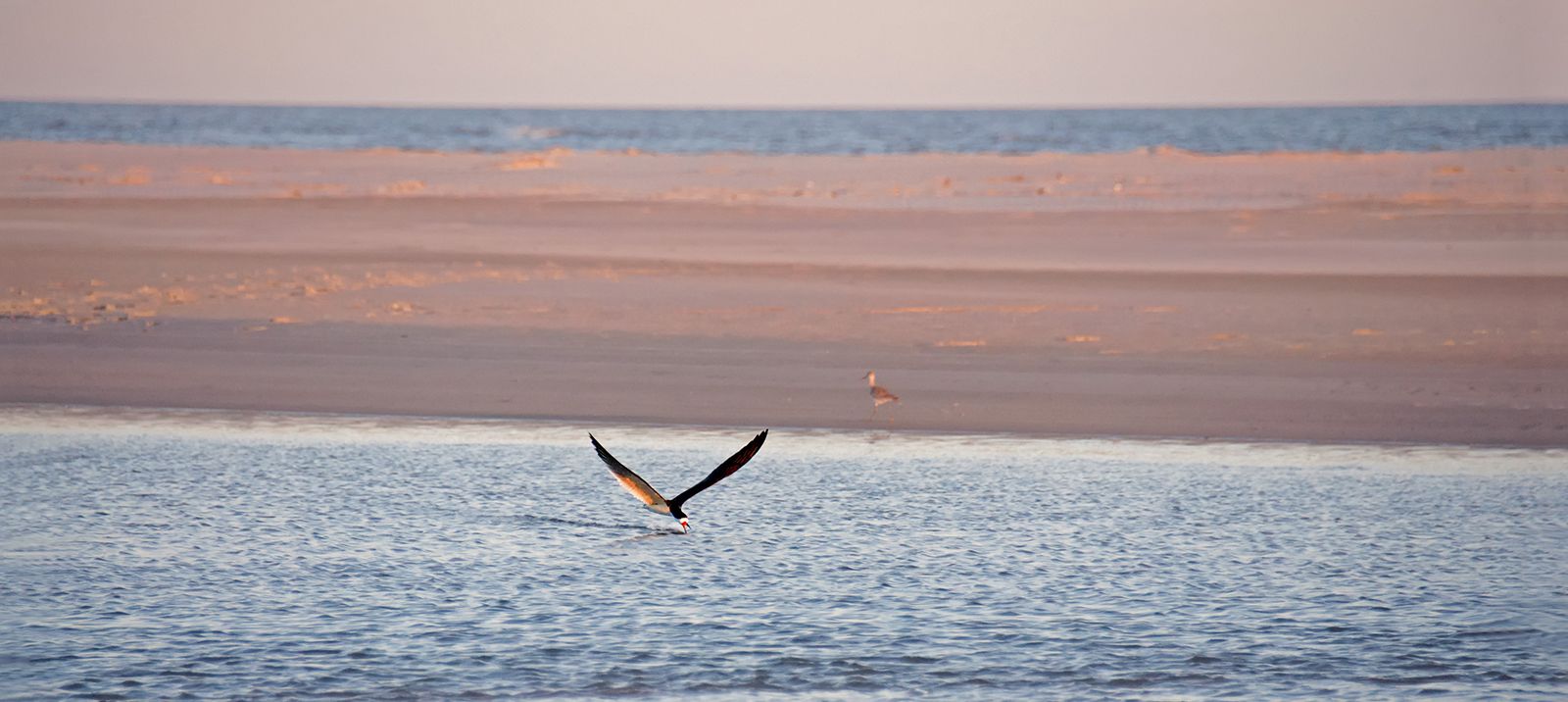
Least terns, Wilson’s plovers, American oystercatchers, and black skimmers will be monitored for breeding success on the east and west end of Kiawah Island.  Starting in 2010, we will be conducting some basic monitoring techniques to get an idea of how successful the beach-nesting birds are.  Nests will be searched and marked very discretely with tongue depressors.  When a nest is found, we will use egg floatation to estimate the incubation stage of each nest.  Nests will then be monitored remotely using a spotting scope periodically until the eggs have hatched, chicks have fledged or a nest is suspected of being depredated or abandoned. If a nest is depredated or abandoned we will try to determine the cause (e.g. predator, over-wash, etc.).

Least tern nest
Nesting Wilson's plover
Least terns
kiawah_wildlife023001.gif
Help protect our beachfront nesting birds
logo-cyan.jpg
Town of Kiawah Island
21 Beachwalker Drive
Kiawah Island, SC 29455
(843) 768-9166
Email a Town Biologist
News and Information
Wildlife Sightings and Information
 
NEW 2012 Bobcat GPS Location Data
 
FAQ about Kiawah Wildlife 
 
Google Earth map of wildlife sightings by residents and visitors
 
Kiawah Island Bird Checklist (PDF)
 
"Wildlife As We See It" provided by the Kiawah Island Golf Resort
 
Report an interesting or unusual wildlife sighting to Town Biologists