WILDLIFE ON KIAWAH ISLAND

logo-cyan.jpg
Town of Kiawah Island
21 Beachwalker Drive
Kiawah Island, SC 29455
(843) 768-9166
Email a Town Biologist
*  December 28, 2010  -  A group of 4 Green-winged Teal were seen today in Ibis Pond.  These tiny ducks are typically seen only a few times each winter.  Look for the male's reddish-brown head and striking green eye stripe to identify this duck at a distance.
 
*  December 16, 2010  -  An American Woodcock was flushed today near the wetland adjacent to Parkside Villas.  This is only the second sighting of a woodcock on the island in our records.  Woodcocks are stocky gamebirds subsisting almost entirely on earthworms pulled out of the ground with their long bills.   
 
*  December 14, 2010  -  An interesting day for ducks.  Biologists spotted a pair of Gadwall in Ibis Pond.  Gadwall are fairly rare on the island and seen only every 4-5 years.  We also saw a group of 8 Mallards and 1 American Black Duck in the lagoon on the eastern end of the beach.  These are the first of each of these species seen in many years.   
 
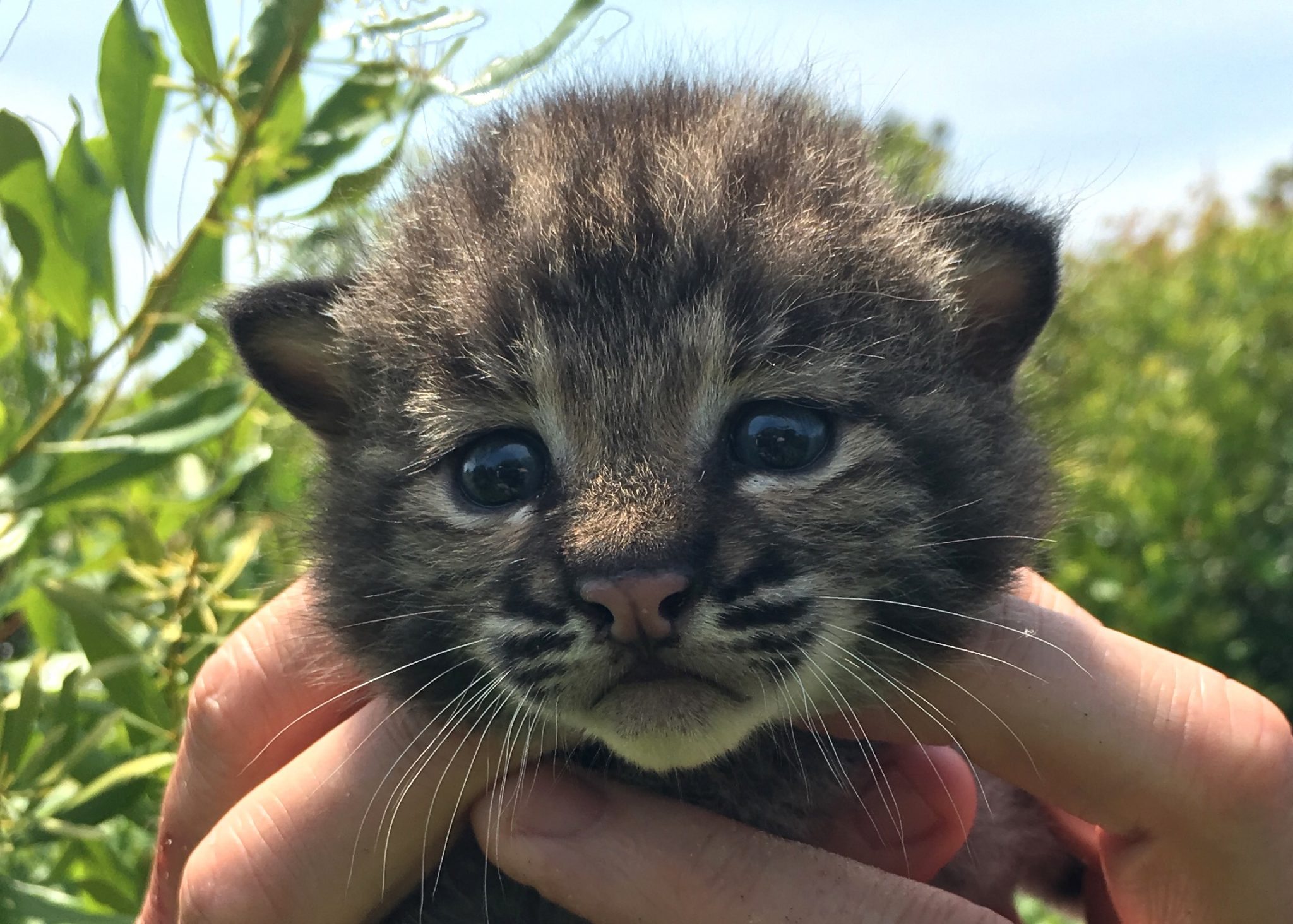
*  December 12, 2010  -  Bobcat number 4 was recaptured today and released again.
 
*  December 11, 2010  -  The 4th and 5th bobcats of the 2011 trapping season were captured today.  Number 4 was a juvenile male (10lbs, 10oz) captured near Beachwalker County Park (too small to collar).  Number 5 was a subadult male (14 lbs, 10 oz) caught near the V-gate.  He was fitted with GPS collar 700. View location data for this bobcat.
 
*  December 10, 2010  -  The third bobcat of the 2011 trapping season was captured today.  This juvenile male (10lbs, 4oz) was captured on Ruddy Turnstone.  He was too small to collar and was released.  View details for all 2011 bobcats.
 
*  December 10, 2010  -  We had a nice overcast sky this afternoon which resulted in good conditions for looking at birds on the ocean.  We saw 20-25  red-throated loons (first of the season), 2 long-tailed ducks (first of the season), 1 white-winged scoter (first of season), 1 male ring-necked duck, 40-50 surf scoters, hundreds of black scoters, and thousands of lesser scaup.
 
*  December 8, 2010  -  The second bobcat of the 2011 trapping season was captured today.  This adult female (14lbs, 10oz) was captured in the River Course and was fitted with GPS collar 600.  Check back in a few weeks for the first set of location data.  View details for all 2011 bobcats.
 
*  December 8, 2010  -  A female  Common Eider was seen today in the ocean near The Sanctuary.  This is very likely the same bird reported on December 3, 2010. 
 
*  December 7, 2010  -  Bobcat trapping for the Bobcat GPS Study started today.  Biologists will be trapping for the next few months in an effort to fit 8 bobcats with GPS collars.  We caught our first bobcat today, a 11 lb, 13 oz juvenile male, on Sea Forest Drive.  He was too small to collar and was released.  Updates will be provided throughout the trapping season on this page as well as on the 2011 Bobcat page.
 
*  December 3, 2010  -  A female Common Eider was seen today in the ocean on the eastern end of Kiawah Island.  This is the first known report of this species on Kiawah Island!  Eiders typically spend the winter further to the north, though a small group has been seen near Folly Beach for the last few years.  Common eiders are very big ducks (the largest duck in the Northern Hemisphere), weighing up to 7 pounds.  Adult males have a striking white and black coloration while females are predominantly brown.   
 
*  November 30, 2010  -  Red knots have started to return to the Kiawah beach in the last 2 weeks.  Today, we spotted 2 flagged birds on the east end.  The first bird, flag AX2, was captured on May 7, 2010 on Bird Key in the Stono Inlet.  The second bird, CE3, was captured October 24, 2006 in New Jersey.  CE3 is a frequent visitor to Kiawah and has been seen many times since the first sighting on December 21, 2006.
 
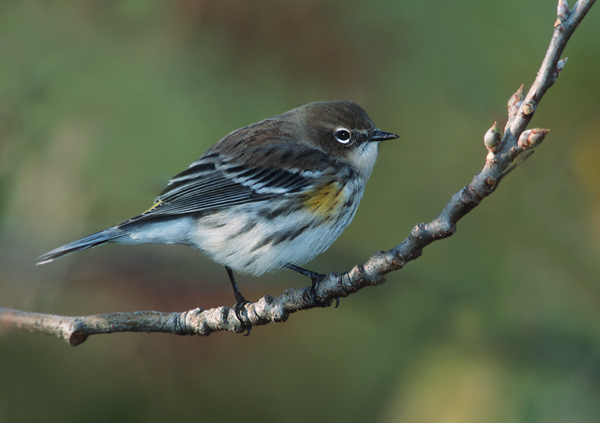
*  November 24, 2010  -  The 27th and final banding session of the Fall 2010 season was completed today.  39 birds, representing 8 species, were caught including 5 recaptures.  Yellow-rumped Warblers (31) were the most common species.  The most exciting birds were 2 House Finches, the first banding records for this location.  Banding will continue during the winter from December - March, 2-3 times a month.
 
*  November 22, 2010  -  The 26th banding session of the fall was completed today.  It was a warm morning compared to the last few sessions but we still had pretty good bird activity.  42 birds, representing 9 species, were caught including 5 recaptures.  Yellow-rumped Warblers (27) were the most common species.  The most exciting bird today was a first-of-the-season White-throated Sparrow
 
*  November 18, 2010  -  The 25th banding session of the fall was completed today.  43 birds, representing 10 species, were caught including 8 recaptures.  Yellow-rumped Warblers (28) were the most common species.  We banded 2 new species for Kiawah today, American Goldfinch (2) and Blue-headed Vireo.  We also caught 2 Orange-crowned Warblers and a Golden-crowned Kinglet.  4 of our recaptures today were of birds originally banded last winter (all Yellow-rumped Warblers).  The next banding session will be on Monday, November 22.  This will be the last banding session of the fall.
 
*  November 17, 2010  -  A juvenile Atlantic sturgeon (3.5 feet in length) was found dead on the beach today near Beachwalker County Park.    
 
*  November 15, 2010  -  The 24th banding session of the fall was completed today.  25 birds, representing 7 species, were caught including 5 recaptures.  Yellow-rumped Warblers (14) and Gray Catbirds (4) were the most common species.  We banded a few interesting birds today: an Orange-crowned Warbler and an American Robin (our 50th species banded this fall).  We also had 2 more band returns:  a Yellow-rumped Warbler banded October 2009 and a Gray Catbird banded February 2010. 
 
*  November 10, 2010  -  The 23rd banding session of the fall was completed today.  67 birds, representing 10 species, were caught including 4 recaptures. Yellow-rumped Warblers (55) were once again the most common bird captured.  Highlights included a Hermit Thrush recapture from January 2010 and a House Wren recapture from 2009. 
 
*  November 8, 2010  -  Large flocks of Lesser Scaup were seen in Ibis and Willet ponds this afternoon.  The flock in Ibis Pond had approximately 500 birds in it.  This is the largest group of ducks we have seen on a Kiawah pond in 15 years.  Willet Pond had approximately 150-200 scaup on it as well.   
   
*  November 8, 2010  -  The 22st banding session of the fall was completed today.  50 birds, representing 7 species, were caught including 12 recaptures.  Yellow-rumped Warblers (33) and Gray Catbirds (9) were the most common species.  Three of the recaptures (Swamp Sparrow, Yellow-rumped Warbler, and Gray Catbird) were migrant birds originally banded last fall that have returned to Kiawah this year.  View the full list of captures.   
 
*  November 5, 2010  -  The 21st banding session of the fall was completed today.  15 birds, representing 8 species, were caught including 3 recaptures.  Yellow-rumped Warblers (6) were once again the most common bird captured.  Highlights included a Hermit Thrush and an Ovenbird recapture.  The Ovenbird was orignally banded on August 30, indicating that this bird will probably spend the winter here.    
 
*  November 3, 2010  -  The first flocks of scaup have returned to Kiawah.  Biologists observed approximately 200 lesser scaup in the ocean near the Beach Club today.  These medium-sized diving ducks are a common sight along Kiawah's beachfront in fall and winter and numbers will slowly increase into the thousands by December.      
 
*  November 1, 2010  -  The 20th banding session of the fall was completed today.  35 birds, representing 8 species, were caught including 4 recaptures.  Yellow-rumped Warblers (21) and Gray Catbirds (6) were once again the most common birds captured.  Highlights included a first-of-the-year Field Sparrow and 2 Ruby-crowned Kinglets.  The last bird of the day, a Ruby-crowned Kinglet, was the 2,000th bird banded on Kiawah Island since banding began on July 23, 2009.  We also recaptured another House Wren from last fall that was banded originally on 10/29/09.  So far this fall, we have recaptured 2 of the 10 House Wrens banded last fall.  View the full list of captures.     
 
*  October 29, 2010  -  An American Avocet was seen roosting at high tide on the western end of Kiawah's beach this afternoon near Captain Sams Inlet.  Avocets are infrequent visitors to Kiawah during fall and spring with only a handful of sightings over the last 10 years. 
 
*  October 29, 2010  -   The 19th banding session of the fall was completed today.  42 birds, representing 12 species, were caught including 6 recaptures.  A cold front pushed through during the night and morning temperatures were 20 degrees cooler than the 2 previous days.  The bulk of the catch was Yellow-rumped Warblers (18) and Gray Catbirds (8).  Highlights included a first-of-the-year Song Sparrow and Hermit Thrush, as well as a Tennessee Warbler,Golden-crowned Kinglet, and Sedge Wren.  The last 3 species are all new species for Kiawah's banding program.  We also had a couple of neat recaptures:  a Gray Catbird (originally banded on 10/22/09) and a Swamp Sparrow (originally banded on 11/5/09).  View the full list of captures. 
 
*  October 28, 2010  -   The 18th banding session of the fall was completed today.  Hot and muggy temperatures once again kept bird activity low.  A total of 11 birds were captured, including 5 recaptures.  Gray catbirds (3) were the most common species today.  View the full list of captures.  
 
*  October 27, 2010  -   The 17th banding session of the fall was completed today.  The temperature and humidity were both very high today and bird activity was very low.  We captured a total of 14 birds, including 4 recaptures.  Gray catbirds (4) were the most common species followed by Northern Cardinals (3).  The highlight of the morning was a first of the year Orange-crowned Warbler, only the second banding record for Captain Sams spit. View the full list of captures. 
 
*  October 25, 2010  -   A flock of 25 surf scoters was seen today in the ocean near the Beach Club.  All of the birds appeared to be juveniles and are the first surf scoters seen this fall.  A loggerhead shrike was also seen at the eastern end of the Ocean Course driving range.  Picture in slideshow to right.   
 
*  October 21, 2010  -   18 piping plovers were counted today along Kiawah's beach during a low tide plover survey.  We were able to watch several plovers feeding and pulling up worm after worm from the tidal mud flats (picture to right).  We also saw a group of about 350 black scoters in the ocean near the Beach Club.  Sea duck numbers seem to be increasing much earlier this year than in past years. 
 
*  October 19, 2010  -   A snowy plover was observed today on the eastern end of Kiawah's beach near the tidal inlet about 1 mile east of the Ocean Course Clubhouse.  This may be the same bird reported in August, though it had not been seen for more than a month.  Snowy plovers are typically found along the Gulf and Western coasts of the U.S. and are rare visitors to South Carolina.
 
*  October 15, 2010  -   The first sea ducks of the fall were spotted today.  A group of 40 black scoters was seen flying over the ocean off of Kiawah.  Numbers will slowly increase and peak in December-January.  Keep an eye to the ocean to see these birds.
 
*  October 14, 2010  -   The 16th banding session of the fall was completed today.  We ended up with 66 new birds and 10 recaptures of 18 species.  Surprisingly, Indigo Buntings (22) were the most commonly banded bird, followed by the not-so-surprising Common Yellowthroat (17).  All of the Indigo Bunting were juvenile birds with exception of 2 adult males that had retained some of their brilliant blue plumage.  We are still waiting for the bigGray Catbird push.  Last year at this time we had already banded 102 of them.  So far this year, we have only banded 62 with twice the effort.  Hopefully, the next cold front will bring them down.  Some other highlights include a Yellow-rumped Warbler (first of the season), Northern Parula, Swamp Sparrow, and a juvenile female Common Ground-Dove.   View the full list of captures for today. 
 
*  October 11, 2010  -   The 15th banding session of the fall was completed today.  It was a very slow morning with only 22 new birds and 7 recaptures of 11 species.  Gray Catbirds (14) were by far the most common species.  We did catch our first sparrows of the fall –Swamp Sparrow (2).  But the most exciting bird of the morning was a recaptured House Wren that was originally banded on October 22, 2009.  In fact, it was even caught in the very same net!  This is the second recapture of a bird from a prior year during the Kiawah banding program.  House Wrens are short-distance migrants breeding across much of the United States with exception to the southern states along the Atlantic and Gulf coasts.  They do not breed on Kiawah Island and most of them will pass through during the fall on their way to their wintering grounds in the Southern US and Mexico.  View the full list of captures for today. 
 
*  October 7, 2010  -   The 14th banding session of the fall was completed today.  A nice cool morning with very little wind resulted in 53 new birds and 11 recaptures of 19 species.  Gray Catbirds (18) were the most commonly banded species followed by Common Yellowthroats (8).  House Wrens (5) made their first appearance of the fall, as did a singleSwainson's Thrush.  Common Ground-Doves have been calling around the nets most mornings this fall, but we have failed to catch one until today when we netted a hatch-year male!  Other notable species include Northern Parula (2), Black-and-white Warbler (1), Black-throated Blue Warbler (2), Indigo Bunting (2), and Eastern Phoebe (2).  View the full list of captures for today. 
 
*  October 4, 2010  -  The 13th banding session of the fall was completed today.  26 birds were caught, including 5 recaptures.  It was coolest morning of the season so far but very little was moving about.  The winds were much stronger than predicted.  It prevented us from opening 3 nets and we even shut down an hour earlier than usual.  Gray Catbirds (7) were the most numerous bird captured.  Highlights included an Eastern Phoebe and 2 Indigo BuntingsView the full list of captures for today. 
 
*  October 2, 2010  -  A long day of birding (5 am to 8 pm) produced an impressive 109 species for the island. It was a very good day for Palm Warblers - they were everywhere!  The most we have seen in recent years.  Gray Catbirds were also very numerous, however their high numbers are more predictable this time of year.  Some other notable migrants include Swainson's Thrush, Tennessee WarblerMagnolia Warbler, Bobolink, Eastern Phoebe (first sighting of season), and "Traill's" Flycatcher.  One of the best birds of the day was a WESTERN KINGBIRD seen on the eastern part of the island near the Ocean Course.  Falcon migration must be in full swing as we saw at least 20 Merlins, 4 Peregrines, and 4 Kestrels.  Several Northern Harriers were seen hunting the marsh and dunes as well. 
 
Beach birding was also very good.  Gulls, terns, plovers, and sandpipers were very numerous at both ends of the island.  The highlight of the morning on the beach was a
RED-NECKED PHALAROPE.  It was seen on the beach at the east end of the island (about 500 yards west from were the Snowy Plover was hanging out last month).  After watching it for a couple of minutes, a jogger flushed the bird and we did not see where it went.  Fortunately, about an hour later we found it on the far eastern part of the island about a mile east of where we originally saw it where we were able to watch the bird feed along with 5 or 6 Sanderlings for several minutes.

*  October 1, 2010  -  The 12th banding session of the fall was completed today.  89 birds were caught, including 11 recaptures.  Common yellowthroats (41) and American redstarts (13) were the most common birds today.  The highlight of the day was a Northern Flicker (first banding record for Kiawah).  View the full list of captures for today.
 
*  September 28, 2010  -  The 11th banding session of the fall was completed today.  27 birds were caught, including 10 recaptures.  Northern cardinals (5) were the most common species today followed by painted buntings (4), common yellowthroats (3) and gray catbirds (3).  Highlights included a Yellow-billed cuckoo (first banding record for Kiawah) and a Cape May Warbler (second record on Kiawah).  View the full list of captures for today.  View video of yellow-billed cuckoo release. 
 
*  September 23, 2010  -  The 10th banding session of the fall was completed today.  30 birds were caught, including 4 recaptures.  Painted buntings (10) were the most common species today followed by common yellowthroats (4) and gray catbirds (3).  Highlights included a Palm warbler and a Great crested flycatcherView the full list of captures for today. 
 
*  September 20, 2010  -  The 9th banding session of the fall was completed today.  62 birds were caught, including 4 recaptures.  Common yellowthroats (23) were the most common species today followed by red-eyed vireo (8) and white-eyed vireo (6).  Highlights included a summer tanager (1st banding record on Kiawah), a  northern parula, anindigo bunting, and a Baltimore orioleView the full list of captures for today. 
 
Three  lesser black-backed gulls were also seen on the beach near the Beach Club.
 
*  September 16, 2010  -  The 8th banding session of the fall was completed today.  35 birds were caught, including 9 recaptures.  Common yellowthroats (14) were once again the most common species captured today.  Highlights included 4 painted buntings and 3 more yellow warblersView the full list of captures for today. 
 
*  September 15, 2010  -  A Clay-colored sparrow and 2 bobolinks were seen in the dunes near Hole 6 of the Ocean Course golf course today.  There were also 2 lesser black-backed gulls spotted on the eastern end of the beach.   
 
  *  September 14, 2010  -  6 buff-breasted sandpipers were seen on the Ocean Course driving range this afternoon.  This is a relatively rare bird for Kiawah though we have seen buff-breasted sandpipers in this same area for several year in a row.  These birds are migrating now and will likely be leaving our area soon on their way to South America for the winter.   
 
*  September 13, 2010  -  The 7th banding session of the fall was completed today.  79 birds were caught, including 8 recaptures. Common yellowthroats (46) were the dominant species by far, followed by red-eyed vireos (6) and prairie warblers (5).  The highlight of the morning was the capture of 2 yellow warblers, another first for Kiawah's banding program.  Full details here
 
*  September 13, 2010  -  The results of the Fall 2010 deer spotlight survey are now available.  A total of 178 deer were seen during the 3 night survey, yielding a density of 69 deer per square mile.  This is the highest deer density we have seen in 9 years but still well within management goals.  Click here for all the details.
 
*  September 10, 2010  -  The 6th bird banding session of the fall took place this morning.  39 birds were caught, including 3 recaptures. Red-eyed vireos were the dominant species today with 9, followed closely by common yellowthroats (8).  Full details can be found clicking here.
 
*  September 7, 2010  -  Town biologists completed the first of 3 consecutive nights of our annual fall deer spotlight survey today.  A total of 61 deer were seen.  Click here for more details on this survey including historical data. 
 
*  September 6, 2010  -  Town biologists conducted the 5th banding session of the Fall banding season today.  A total of 36 new birds were banded and an additional 4 birds were recaptured.  Common yellowthroats were the dominant species with 18 banded today.  Full details on all banding sessions this season can be found here.   
 
*  September 2, 2010  -  Town biologists conducted the 4th banding session of the Fall banding season today.  A total of 14 new birds were banded and an additional 5 birds were recaptured.  The highlight of the day was a least flycatcher, another first for Kiawah's banding program.  Full details on all banding sessions this season can be found here.   
 
*  August 27, 2010  -  The snowy plover reported on August 10 continues to be seen regularly on the east end of the beach.  This bird has been consistently found in recent days around low tide just to the west of the second inlet.  Take a walk or bike ride out to the area and get a look at this rare bird.
 
*  August 27, 2010  -  Two blue-winged teal were seen in the lagoon area on the east end of the beach today.  These early migrating waterfowl are the first duck species to show up in our area each year.  Many blue-winged teal will spend the winter in South Carolina, though some of these birds will simply move through our area and winter in Central and South America.
 
*  August 23, 2010  -  Town biologists conducted the first bird banding session of the Fall banding season today.  A total of 34 birds were banded, representing 14 species:  6 prairie warblers, 5 painted buntings, 5 northern waterthrush, 3 black-and-white warblers, 3 Carolina wrens, 2 American redstarts, 2 Northern cardinals, 2 ovenbirds, 1 black-throated blue warbler, 1 downy woodpecker, 1 Northern mockingbird, 1 white-eyed vireo, 1 Hooded warbler, and 1 prothonotary warbler.  The prothonotary warbler was a first for Kiawah's banding project.  In addition, 1 female Carolina chickadee that was originally banded on May 29, 2010 was recaptured today.  Check out the Fall 2010 Banding page for additional details and be sure to check back for updates on future sessions. 
 
*  August 23, 2010  -  A group of 21 marbled godwits was seen on the western end of Kiawah's beach today.  A relatively common sight on Kiawah during fall and winter, but a neat bird to look for.  See picture in slideshow to right.
 
*  August 22, 2010  -  New information on orange-flagged red knot reported on May 18, 2010:  This bird was banded March 30, 2010 in San Antonio Oeste, Rio Negro, Argentina.  It is 5,164 miles from the banding site to Kiawah.  Full details of the sighting can be found in the May 18 entry below
 
*  August 11, 2010  -  A timber rattlesnake was found and captured on the beach near The Sandcastle today.  This is a very unusual sighting for Kiawah and one of only 3 rattlesnake sightings by biologists in more than 15 years.  The rattlesnake was relocated to suitable habitat on the western end of the island.
 
*  August 10, 2010  -  Thousands of terns were seen roosting on the east end of the beach today.  There were many different species observed, including:  black, gull-billed,Caspian, Royal, sandwich, Common, Forster's, and least.    
 
*  August 10, 2010  -  A  snowy plover was observed today on the eastern end of Kiawah's beach.  Snowy plovers are rare visitors to South Carolina though one has been observed in this area seasonally for several years in a row. 
 
*  August 9, 2010  -  A female bobcat was hit and killed by a car on the Kiawah Island Parkway today.  This bobcat had been fitted with a PIT tag as a kitten during 2009.  This unfortunate incident is a reminder that vehicle collisions are the most common cause of death for our island bobcats.  Please drive with caution on the island, especially during the period from dawn to dusk.
 
*  August 6, 2010  -  The first official piping plover survey of the season was conducted today.  A total of 8 piping plovers were seen, 4 on the west end and 4 on the east end.  2 of the birds were banded.
 
*  August 6, 2010  -  A large flock of approximately 200 black terns was seen today roosting on the east end of Kiawah's beach.  These early migrants are a common sight on Kiawah's beach during late summer.
 
*  July 19, 2010  -  Three  piping plovers were seen today on Kiawah's beach.  2 birds were found on the western end of the beach and 1 on the eastern end.  All 3 birds were banded as well.  These are the first piping plovers seen on Kiawah since May and are likely early migrating birds on the way south.
 
*  July 9, 2010  -  Least terns are still nesting on the western end of Kiawah's beach. Biologists found 4 new nests today.  We also noted quite a few sets of foot and bike tracks going through the nesting area.  This type of activity has a devastating impact on nesting success.  The nesting area is clearly marked with yellow signs and anyone seen inside the area will be ticketed and fined with no questions asked (Fines start at $250). 
 
*  July 9, 2010  -  Our resident banded oystercatcher was sighted again today on the western end of Kiawah's beach.  Band U5 was originally banded in Georgia (see 5-24-10 entry below).
 
*  July 8, 2010  -  A reddish egret was seen on the east end of Kiawah's beach today.  This is the first sighting of the summer for this species.  The bird was seen feeding in a shallow tidal pool.  Reddish egrets eat mainly fish and shrimp and are very active when foraging, often seen jumping, spinning, and running after prey. 
We have recently added a new map to the website to showcase wildlife sightings by residents and visitors.  Send us your sighting and we will include it on the map. 
NEW   View your wildlife sightings in Google Earth
kiawah_wildlife073003.gif
VIEW GOOGLE MAP OF WILDLIFE SIGHTING PHOTO LOCATIONS

JULY - DECEMBER 2010 WILDLIFE SIGHTINGS ARCHIVE

kiawah_wildlife073002.gif
RECENT WILDLIFE SIGHTINGS
kiawah_wildlife073001.gif
WILDLIFE SIGHTINGS ARCHIVES
 
July - December 2011
January - June 2011
July - December 2010
January - June 2010
2009